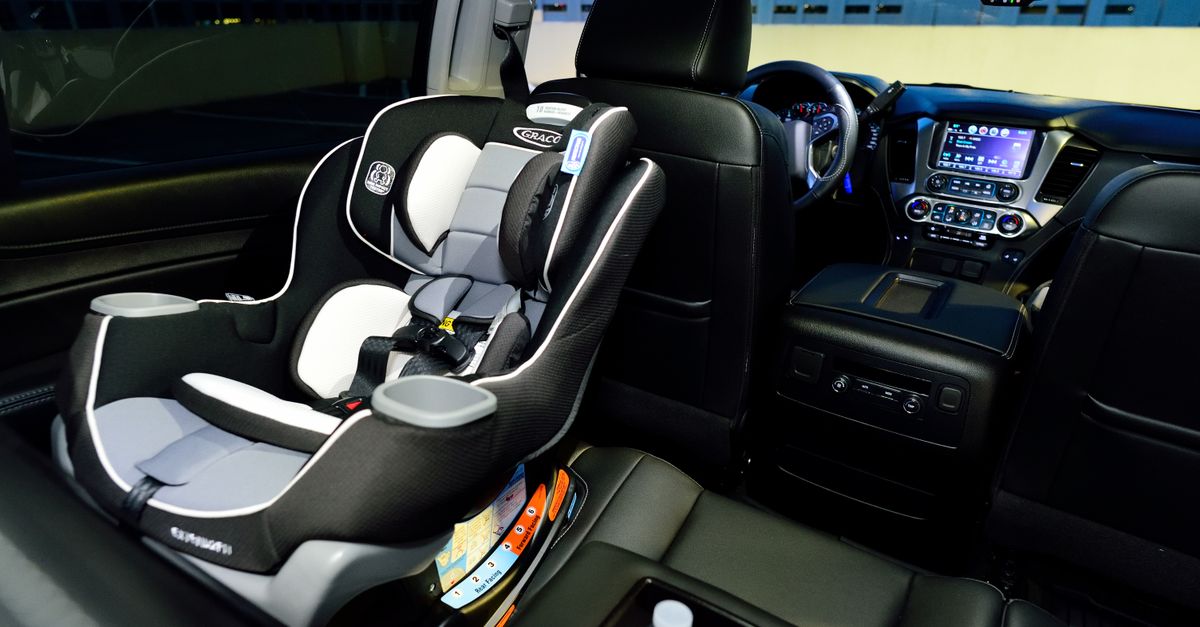
"Travel system" sounds like marketing, but it names something specific and genuinely useful: an infant car seat and a stroller that click together, so a sleeping baby moves from car to stroller without being unbuckled. For the first six months or so, this is the feature you'll use most — and it's also where the most expensive compatibility mistakes happen. Here's how it really works.
Why it matters for the newborn months
Most stroller seats don't properly support a baby until around 6 months. Until then, the baby rides in either a bassinet or an infant car seat clicked onto the stroller frame. The click-on car seat is the practical winner for car-centric families: park, click, go, and the nap survives. (For everyday errands. For long stretches, babies should still get time flat and out of the seat.)
The compatibility trap: adapters are brand-pair specific
Here's what surprises nearly everyone: infant car seats and strollers from different brands usually connect only through a specific adapter, sold separately, and every brand pair has its own. A Nuna Pipa clicks into an UPPAbaby Vista or Cruz — but only with the UPPAbaby-for-Nuna adapter (about $60). The same Pipa needs a different adapter for a Bugaboo, and some pairings simply don't exist at all.
The rule: pick the car seat and stroller as a pair, and confirm the exact adapter exists, before buying either one. Stroller makers publish compatibility charts, and this is one of the best questions to walk into a local shop with — a good shop will click your exact combination together in front of you. The most popular premium seats (Nuna Pipa, Cybex Cloud, Maxi-Cosi, Chicco KeyFit) have adapters for most premium strollers, but "most" is not "yours" — check.
Three ways to build a travel system
- Bundled mass-market systems (~$300–500)
- Graco, Chicco, and similar sell the car seat and stroller as one box, guaranteed compatible, no adapters. The Chicco KeyFit bundles are a long-running default for good reason. The tradeoff: the included stroller is usually the weakest part — heavier and clunkier than what the same money buys separately. Still the best value if budget is the constraint.
- Premium mix-and-match (~$1,000–1,700 all-in)
- Choose the stroller for your life (see the choosing guide), choose the car seat for your car and safety preferences, connect them with the right adapter. Most flexibility, best components, most homework. This is where the adapter trap lives.
- The Doona: the car seat that IS the stroller (~$550)
- The Doona's wheels fold out of the car seat itself — no separate stroller, no adapters, nothing left in the trunk. For city families without a car (taxis and ride-shares become trivially easy), frequent flyers, and anyone constantly in and out of cars, it's genuinely brilliant. The honest catch: it's outgrown at roughly 12–18 months like any infant seat, it's heavy to carry as a car seat, and then you're buying a real stroller anyway. Think of it as a phase-one tool, not the whole plan.
The car-seat rules that surprise people
- Car seats expire. Typically 6–10 years from the manufacture date (it's on a sticker on the seat). Plastics fatigue and standards move on. This is why hand-me-down seats need a date check first.
- Any crash means replacement. After a meaningful collision, the seat is done even if it looks perfect — the structure may be compromised invisibly. Insurance usually covers the replacement; ask. This is also why buying a used car seat from a stranger is a bad idea: you can't verify its history. Used stroller, fine (guide here); used car seat from an unknown source, no.
- Most infant seats are outgrown by height before weight — often around the first birthday, well before the "30 lbs" on the box suggests.
- The base stays in the car. Infant seats click into an installed base; extra bases for a second car run $60–150 and are worth every cent versus reinstalling with the seatbelt daily.
Why a local fitting beats guessing
The travel-system purchase has three failure points — seat-to-stroller fit, seat-to-your-car fit, and the fold fitting your trunk — and all three are testable in person before you spend anything. Good baby-gear shops will install a floor-model seat in your actual car, click it onto the stroller you're considering, and send you to the parking lot to try the trunk. That's an hour that prevents the classic new-parent return cycle, and the price will match online anyway thanks to MAP pricing (explained in the sales calendar guide).